How to Change Careers at 40 (When You Feel Stuck)
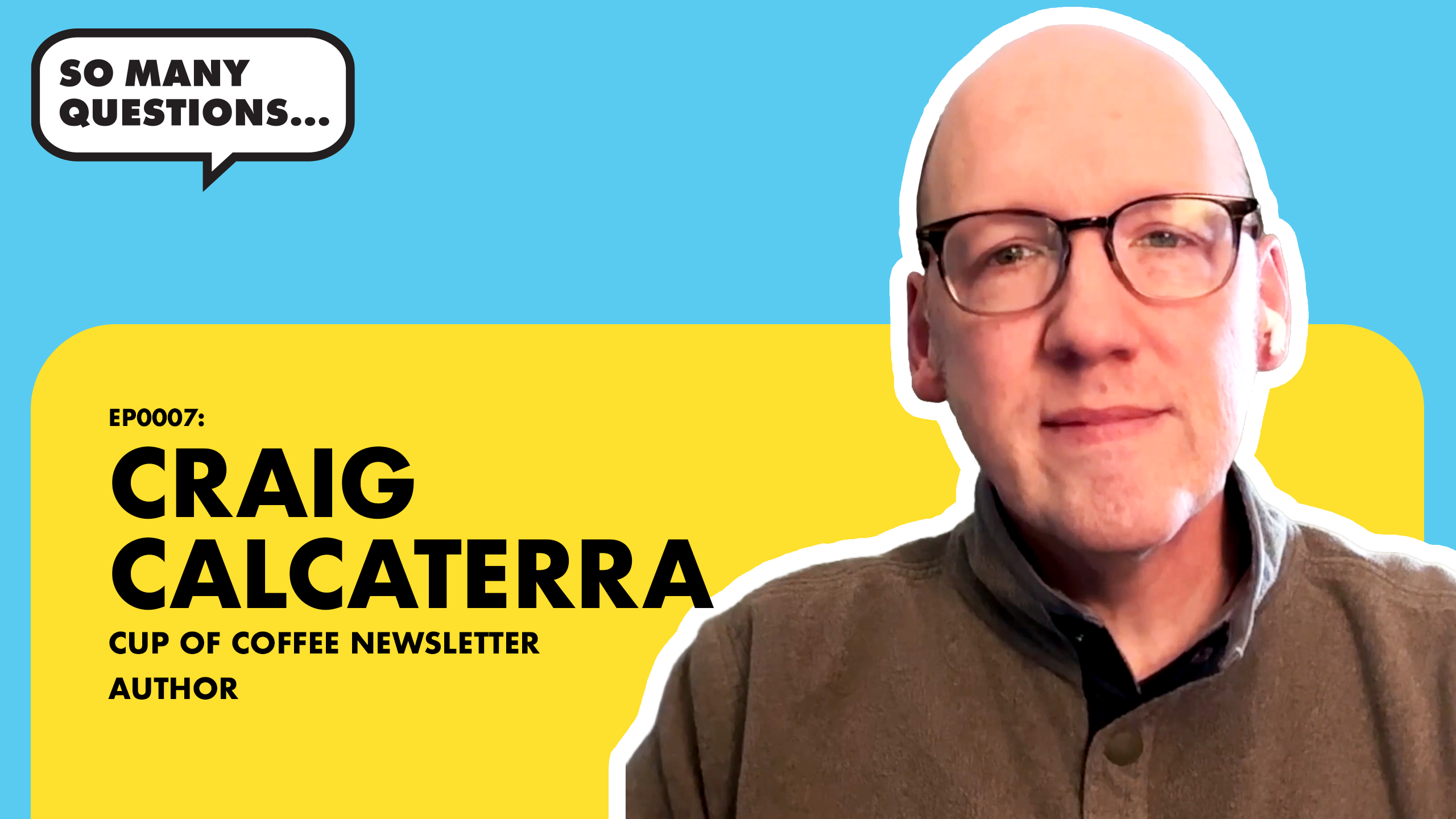
Episode 0007: Craig Calcaterra
Craig Calcaterra of Cup of Coffee on leaving law for baseball writing, the sabermetrics revolution, and finding contentment in an uncertain world.
You wake up one morning and realize you’ve spent 20 years building expertise in something that no longer energizes you. The routine feels suffocating. The work that once challenged you now drains you. And the thought of doing this for another 20 years feels impossible.
You’re not alone. Changing careers at 40 isn’t just common, it’s increasingly necessary. Industries evolve, personal values shift, and what made sense at 25 rarely fits at 40. But midlife career transitions come with unique challenges: financial obligations, family responsibilities, and the nagging question of whether it’s too late to start over. It’s not. With the right approach, changing careers at 40 can be one of the most rewarding decisions you’ll make.
Why Career Change at 40 Matters
At 40, you bring something younger career changers don’t: experience. You’ve navigated workplace dynamics, managed projects, solved problems under pressure, and developed a professional network. These aren’t liabilities, they’re assets.
The modern career path isn’t linear anymore. People rarely stay in one field for their entire working life. According to labor statistics, the average person changes careers multiple times, and midlife transitions are becoming the norm rather than the exception.
What makes 40 particularly strategic is the combination of experience and runway. You have decades of professional skills to leverage and enough time ahead to build something meaningful. You’re not starting from zero, you’re pivoting from a position of strength.
The Difference with Midlife Career Change
Changing careers at 40 differs from earlier career moves in three significant ways.
First, you can’t afford to take every entry-level opportunity that comes along. With mortgages, tuition payments, or retirement savings to consider, you need to be strategic about income during the transition.
Second, you have more to lose in terms of status and seniority. Walking away from a senior position to start over requires humility and a clear sense of why you’re making the change.
Third, and most important, you know yourself better. You’ve had enough work experience to understand what environments drain you and which ones energize you. This self-knowledge accelerates the transition if you use it.
Signs You’re Ready for a Career Change at 40
How do you know if you’re ready to make the leap? Look for these patterns:
- You consistently dread Monday mornings and count down to Friday
- Your work no longer aligns with your values or how you want to spend your time
- You feel underutilized or your skills aren’t being challenged
- You find yourself researching other careers during lunch breaks
- Physical symptoms appear: exhaustion, anxiety, or burnout that won’t resolve
- You’ve outgrown your role and there’s no path forward in your current field
- You catch yourself thinking “I can’t do this for another 20 years”
These aren’t signs of weakness or failure. They’re signals that something needs to change. Listen to them.
How to Change Careers at 40
Making a successful career change at 40 requires a different playbook than you used in your 20s. Here’s how to approach it.
1. Focus on skills, not titles
Your job title matters less than the competencies you’ve developed. Break down your current role into specific skills: project management, stakeholder communication, budget oversight, team leadership, problem-solving.
As Elizabeth Maxson, CMO of Contentful, puts it: “focus on skills not past titles.” When she transitioned from the golf industry to tech marketing, she didn’t emphasize her previous role. She emphasized what she could do: operations, logistics, team building, strategic thinking.
List every skill you’ve used in the past five years. Then research which industries and roles value those same skills. You’ll likely find more options than you expected.
2. Identify transferable experience
You’re not starting from scratch. The experience you’ve gained translates across industries more than you think.
If you’ve managed teams, that skill works in nearly every field. If you’ve handled difficult stakeholders, you can handle clients. If you’ve navigated office politics, you understand organizational dynamics. These are universal competencies.
Look for the underlying patterns in your work. Customer service representatives become user experience designers. Teachers become corporate trainers. Accountants become financial analysts at nonprofits. The transition path exists once you see it.
3. Acknowledge the growth mindset requirement
Changing careers means becoming a learner again. You’ll need to ask questions, admit when you don’t know something, and be comfortable with temporary incompetence.
Elizabeth Maxson describes being “not afraid when you don’t know something.” In tech, she saw constant change with AI and industry shifts. Rather than pretending expertise, she leaned into curiosity and constant learning.
At 40, you have enough confidence to say “I don’t know” without it threatening your identity. Use that. Being coachable and curious matters more than having all the answers.
4. Start with micro-experiments, not giant leaps
You don’t need to quit your job tomorrow to explore a career change. Start small.
Take an online course in the field you’re considering. Volunteer or freelance on weekends to test the reality against your assumptions. Informational interviews with people in that role cost nothing but time and provide invaluable insights.
Ken Seng, director of photography for films like Deadpool, didn’t jump straight into cinematography. He took a world cinema class in college that changed his perspective. He worked for free in film school, loaded trucks at a lighting house, and worked as a bike messenger while attending classes. Each small step validated the direction.
Give yourself permission to explore without commitment. Most career changes happen through a series of small decisions, not one dramatic moment.
5. Build a bridge, not a leap
The fantasy of quitting dramatically and starting fresh works better in movies than in real life. Most successful midlife career changes involve transition periods.
Can you negotiate a part-time arrangement in your current role while building the new career? Can you freelance in the new field evenings and weekends until it generates enough income to go full-time? Can you take a role that’s adjacent to your goal, getting you closer without abandoning financial stability?
Financial pressure kills career transitions. Remove that pressure by building a bridge instead of burning everything down.
6. Let go of the five-year plan
Life changes too much to map out every step. Elizabeth Maxson describes this clearly: “five year plan is unrealistic.” COVID happened. Kids arrived. Jobs changed. Trying to plan every detail five years out creates rigidity, not clarity.
Instead, aim for directional goals. What do you want to be doing in a year? What skills do you want to develop in six months? What’s the next logical step from where you are now? That’s enough.
Career changes unfold through a series of right-enough decisions, not perfect plans. Trust the process more than the plan.
7. Address the financial reality
Be honest about money. Calculate your minimum viable income: the amount you need to cover essential expenses. Then determine how long you can sustain a transition period with reduced income.
Some people save aggressively for two years to create a financial cushion. Others take bridge jobs that pay the bills while they build the new career. Some negotiate severance packages that fund their transition. There’s no single right approach, but ignoring the financial component leads to panic and premature retreats.
Build your financial runway before you need it. It buys you time, which is what career transitions require.
8. Reframe your narrative
At 40, you’re not “starting over.” You’re bringing two decades of professional experience to a new context. That’s valuable.
When talking to potential employers or clients in your new field, lead with what you bring, not what you lack. You understand workplace dynamics. You meet deadlines. You communicate clearly. You solve problems. These matter more than credentials in many cases.
Your age and experience are differentiators, not disadvantages. Own that.
Example: From Corporate to Creative (via Strategic Pivoting)
Consider Ken Seng’s career trajectory. He started in business school, discovered cinema through a single elective class, and decided to pursue cinematography. He didn’t immediately land on major film sets.
He worked for free during film school to gain experience. He loaded trucks at a lighting house to be around professional equipment and crews. He took a 98-day NOLS wilderness trip that built confidence in his ability to handle difficult situations. Each step moved him closer to his goal without requiring a massive leap.
Years later, he became the director of photography for major films. But the path there involved strategic bridge roles, skill building, and willingness to start at the bottom in a new field while leveraging the confidence and work ethic he’d developed elsewhere.
That’s what successful midlife career changes look like: not overnight transformations, but intentional progressions that build on existing strengths while developing new ones.
FAQs
Takeaway
Changing careers at 40 requires more strategy than changing careers at 25, but you have advantages now you didn’t have then. You know yourself better. You’ve developed professional skills that translate across contexts. You have a network and confidence that only come from experience.
The work won’t be easy, but feeling stuck in a career that drains you gets harder every year. Start with small steps: identify your transferable skills, talk to people in fields you’re curious about, and test your assumptions before making big commitments.
You’re not starting over. You’re building on two decades of experience and applying it somewhere new. That’s not a weakness, that’s wisdom in action.
Kendall Guillemette | Feb 25, 2026