Work-Life Harmony vs Balance: Why Balance is a Myth (and What to Do Instead)
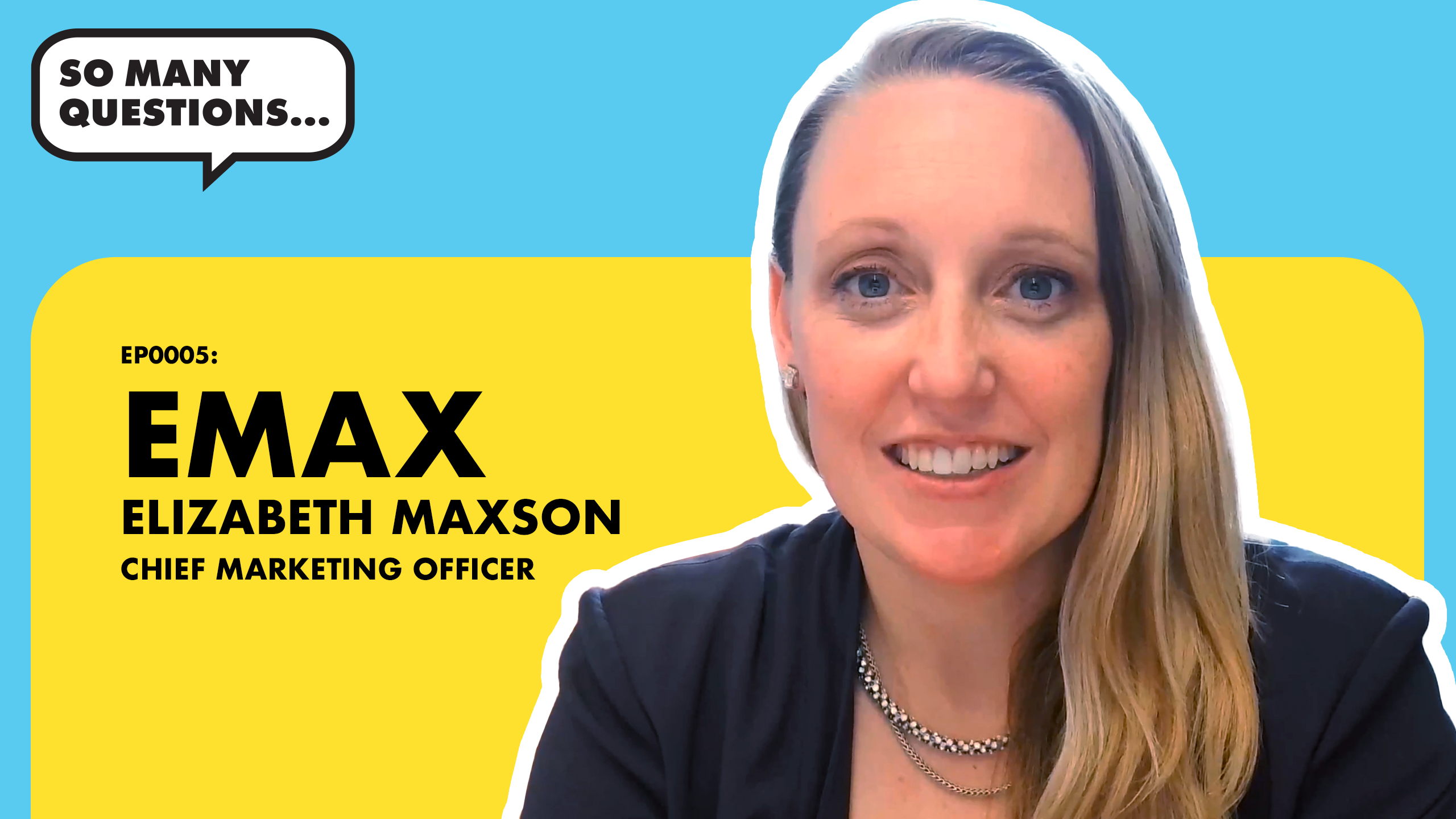
Episode 0005: Elizabeth Maxson (EMax)
Contentful CMO Elizabeth “EMax” Maxson talks leadership, women in tech, motherhood, boundaries, and finding harmony in work and life.
You’re trying to balance everything. Work. Family. Health. Relationships. Personal projects. Self-care. You imagine some ideal state where all these things get equal time and attention, where nothing is neglected and nothing dominates.
Then reality hits. Work demands more hours. Your kid gets sick. A project deadline hits. Your friend needs support. You skip the gym for a week. You feel guilty about everything you’re not doing while trying to do the thing you are doing.
The balance you’re chasing doesn’t exist. It never did. The metaphor itself is broken. Balance implies equal weight, static equilibrium, everything perfectly level. But life doesn’t work that way. Priorities shift. Seasons change. Some weeks, work needs more. Some weeks, family does. Some weeks, you need to focus on yourself.
Stop trying to balance. Start building harmony.
Why balance is a myth
Balance suggests a 50/50 split. Equal time for work and life. But most people spend the majority of their waking hours at work. The math doesn’t work. And even if it did, not all hours carry equal weight.
Elizabeth Maxson, CMO of Contentful and mother of four, rejected the balance concept entirely:
Work-life harmony instead of balance. Rejecting the balance buzzword for a more attainable concept.
She explained why balance fails: it’s based on the false premise that work and life are separate, competing forces to be equalized. But work is part of life. Your colleagues are part of your community. The majority of your day is spent with coworkers, not family.
Balance also implies static achievement. You find balance, you maintain balance, you’re balanced. But nothing in life is static. What works this season won’t work next season. What’s manageable this month might not be next month. The goal of balance sets you up to constantly feel like you’re failing.
Harmony is different. Harmony is things moving dynamically, sometimes in sync, sometimes one louder than the others, but creating something that works overall. Not equal. Not static. Just functional.
What work-life harmony actually means
To help explain, Maxson used a metaphor to help. She talked about all the things we have going on in our lives as if they are spinning plates.
Not all your responsibilities are equally fragile. Some are glass, if you drop them, they shatter. Some are rubber. If you drop them, they bounce back up. Your job isn’t to keep everything in the air at the same time with equal attention. Your job is to know which plates are glass right now, focus on those, and let the rubber ones drop temporarily.
The glass plates change. Plates constantly change which are glass. Priorities shift, focus on what’s in your control. This week, your health might be glass. Next week, a work deadline. The week after, your kid’s school transition.
Harmony means adjusting to what’s needed now, not maintaining some theoretical balance that doesn’t account for reality.
Signs you’re chasing balance instead of building harmony
- You feel guilty whenever you focus heavily on one area
- You try to give equal time to everything regardless of what’s actually urgent
- You feel like you’re always behind or failing somewhere
- You beat yourself up for “being out of balance”
- You can’t be fully present where you are because you’re thinking about what you’re neglecting
- You reject opportunities because they would require temporary imbalance
- You compare your distribution of time to other people’s
- You think balance is achievable if you just manage time better
- You feel resentful about the demands on your time but don’t adjust priorities
How to build work-life harmony instead of chasing balance
1. Identify your glass plates right now
Maxson’s framework is simple: ask yourself what breaks if you drop it. Your health is almost always a glass plate. If you break yourself, everything else fails. But beyond that, the glass plates shift.
Is your relationship in a fragile season? Glass. Is there a make-or-break work deadline? Glass. Is your kid going through something difficult? Glass. Is a family member sick? Glass.
Not everything can be glass. If everything is glass, nothing is. Be honest about what actually breaks versus what just bounces.
2. Let the rubber plates drop on purpose
This is the hard part. Deliberately choose to let some things go temporarily. Not forever. Just for now.
“The work will always be there tomorrow waiting for you,” Maxson said. Some things can wait. Some emails don’t need immediate responses. Some projects can be delayed. Some obligations can be declined.
Let them drop. Watch them bounce. Pick them up later when you have capacity.
Most people wait until they’re so overwhelmed they drop everything accidentally. Better to choose what to drop before burnout makes the choice for you.
3. Make your boundaries visible
Maxson advocated for radical transparency: Calendar transparency for boundaries. Commute time on calendar non-negotiable. School drop-off and pickup blocked transparently. Don’t hide your constraints. Put them on your calendar where everyone can see them. Not as apologies. As facts. This is when I’m available. This is when I’m not.
“Only person who can set boundaries is you. 100% personal accountability for boundaries.” Nobody else is going to protect your time. They’ll ask for what they need. You have to communicate what you can actually do.
4. Adjust seasonally, not daily
Harmony doesn’t mean perfect distribution every day. It means over time, everything that needs attention gets it.
Maxson talked about seasonal shifts: Boundaries can change seasonally. Summer camp hours requiring different schedule. When her kids’ summer schedule changed, her work boundaries changed to match.
Some seasons are work-heavy. Product launches, busy seasons, major projects. Some seasons are family-heavy. New babies, school transitions, family crises. Some seasons are self-care heavy. Recovery from burnout, health issues, necessary rest.
Don’t try to balance within each day. Look at seasons. Am I in a work season, a family season, a recovery season? Lean into it instead of fighting it.
5. Find micro moments to reset
Maxson described trying to slow down despite workplace pressure: “Pressure to move really fast at work. Trying to find ways to slow down. Listening to my body telling me to do.”
She doesn’t wait for vacation to reset. She builds reset moments into her routine: 4:30 AM swims at the YMCA with her friend Steve. Reading fantasy novels at night. Time by water, camping with family.
“Use holiday break as boundary reset. Micro moments to reset patterns and expectations.”
Harmony isn’t about grand gestures. It’s about sustainable micro-practices that keep you functional across all your competing demands.
6. Build community that supports harmony, not competition
Maxson talked about surrounding herself intentionally: “You’re the average of the five people you surround yourself with. And I’ve always taken that pretty to heart of both from a place of positive and negative energy. Am I around people that are more negative or more positive?”
If everyone around you is competing to see who can work the most hours, who can sacrifice the most, who can ignore their needs longest, you’ll get pulled into that game.
Find people who prioritize differently. Who protect their boundaries. Who understand that sustainable performance requires rest. Who model harmony instead of martyrdom.
7. Accept that harmony includes dropping things permanently
Not everything bounces back. Some rubber plates, when you drop them, stay dropped. And that’s okay.
Maybe that side project you’ve been meaning to start doesn’t happen this year. Maybe that hobby you used to love doesn’t fit your life right now. Maybe that commitment you took on needs to be released permanently.
Harmony isn’t keeping everything. It’s keeping what matters and letting go of what doesn’t serve this season of life.
A real example
Elizabeth Maxson’s life is a case study in harmony over balance. CMO role at a major company. Mother of four. Active in working mothers’ community. Morning swim routine. Reading practice. Family camping trips.
On paper, that looks overwhelming. How does she balance it all?
She doesn’t. She builds harmony by:
- Identifying glass plates: “Show up for yourself first.” Health is non-negotiable. School commitments are protected.
- Making boundaries visible: Calendar transparency so her team knows her constraints.
- Adjusting seasonally: When kids’ schedules change, her work boundaries shift to match.
- Finding micro resets: Morning swims, reading at night, time by the water.
- Building community: Female peer executives, working mothers’ Slack, friends at the gym.
- Letting things drop: Planning ahead for time away. Giving yourself something positive to look forward to.
She’s not balanced. She’s in motion. Glass plates protected. Rubber plates dropping and bouncing. Everything spinning, not everything equal, but functioning.
That’s what harmony looks like.
FAQs
Takeaway
Work-life balance is a myth built on a false premise: that everything should get equal time and attention, that equilibrium is achievable and sustainable, that you can maintain static distribution across dynamic demands.
Work-life harmony is the reality: some plates are glass, some are rubber. Priorities shift seasonally. You can’t do everything well simultaneously. Your job is to know what’s glass right now, protect it fiercely, and let the rubber plates drop without guilt.
As Elizabeth Maxson demonstrated: the only person who can set boundaries for you is you. 100% accountable. Nothing to do with anybody else. And the more people understand you on a human level—the more you share your constraints and reality—the more they can work with you instead of against you.
Stop chasing balance. It doesn’t exist. Build harmony instead. Know your glass plates. Let the rubber ones bounce. Adjust seasonally. Find your micro resets. Protect what matters. Release what doesn’t.
That’s not failure. That’s how humans sustainably navigate competing demands without shattering.
Kendall Guillemette | Feb 17, 2026