Conversational Podcasts: The Ultimate Guide to Meaningful Podcast Conversations
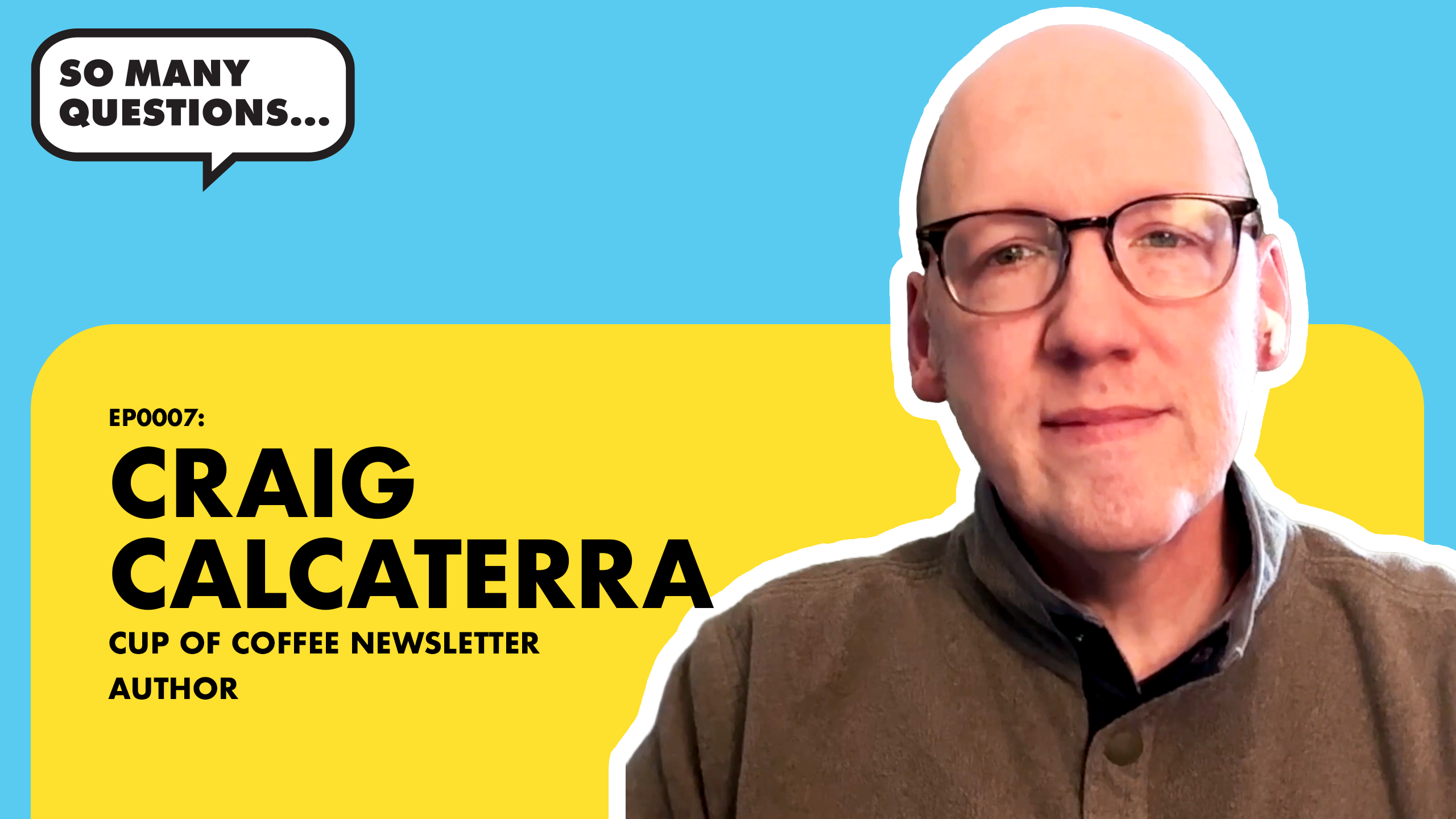
Episode 0007: Craig Calcaterra
Craig Calcaterra of Cup of Coffee on leaving law for baseball writing, the sabermetrics revolution, and finding contentment in an uncertain world.
Conversational Podcasts: Formats, Techniques, and What Makes Them Work
Conversational podcasts have become one of the most powerful formats in modern audio storytelling. Unlike tightly scripted shows or heavily produced narrative podcasts, conversational podcasts center on something deeply human: curiosity, listening, and meaningful dialogue.
This guide breaks down what conversational podcasts are, why they resonate so deeply, and how to create conversations that feel natural, engaging, and worth listening to. Whether you’re a seasoned host or just starting out.
What Is a Conversational Podcast?
A conversational podcast is a show built primarily around dialogue rather than narration or scripted storytelling. These podcasts rely on:
- Open-ended questions
- Active listening
- Organic back-and-forth
- Curiosity rather than performance
Conversational podcasts often include:
- Interview-style shows
- Co-hosted discussion podcasts
- Long-form, exploratory conversations
- Dialogue-driven storytelling
What defines them isn’t the structure, it’s the intent. The goal isn’t to extract soundbites, but to explore ideas, authentic experiences, and perspectives together.
Why Conversational Podcasts Work So Well
- They Feel Human Listeners don’t just hear information—they hear pauses, laughter, uncertainty, and reflection. This builds trust and intimacy.
- They Encourage Depth Great conversational podcasts allow ideas to unfold naturally instead of forcing conclusions.
- They Build Loyalty Listeners return because they feel like part of the conversation, not just an audience.
Popular Conversational Podcast Formats
Interview-Led Conversations
One host, one guest, guided by thoughtful questions rather than rigid scripts. Best for: Personal stories, expertise, lived experiences
Co-Hosted Conversations
Two or more hosts exploring ideas together, often without a guest. Best for: Commentary, analysis, shared curiosity
Long-Form Exploratory Conversations
Minimal structure, maximal listening. Episodes often run 60–120 minutes. Best for: Philosophy, creativity, culture, identity, lived experience
The Core Skills Behind Great Podcast Conversations
Active Listening
Listening isn’t waiting to talk—it’s responding to what’s actually being said.
Curiosity Over Control
The best conversational podcast hosts don’t dominate. They guide gently.
Comfort With Silence
Pauses aren’t mistakes. They’re thinking space.
Follow-Ups That Matter
The magic often happens in the second or third question—not the first.
Structuring a Conversational Podcast (without killing the conversation)
A light structure helps conversations breathe instead of collapse.
A flexible structure might include:
- Opening context (why this conversation matters)
- Personal grounding questions
- Deeper exploration
- Reflection and closing thoughts
- Avoid scripting exact questions—outline themes instead.
Common Mistakes in Conversational Podcasts
- Over-preparing scripted questions
- Interrupting to “get to the next point”
- Treating guests like content machines
- Prioritizing speed over depth
Why Conversational Podcasts Are Here to Stay
In an algorithm-driven, hyper-optimized world, conversation is a rebellion. It slows things down. It values listening. It creates space for complexity. And that’s exactly why people keep coming back.
Kendall Guillemette | Jan 27, 2026