How to Start an Interview Podcast: Complete Guide for 2026
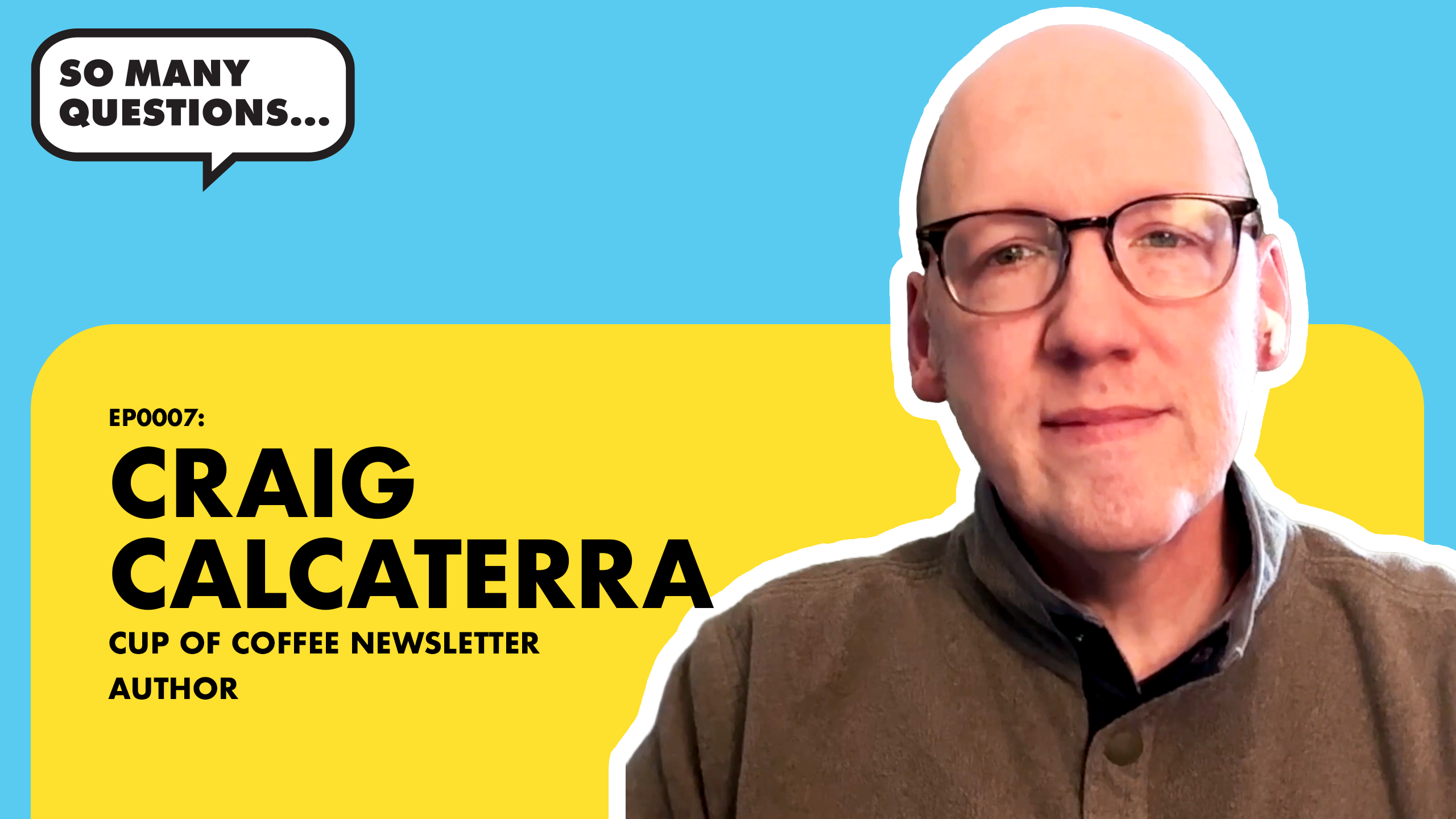
Episode 0007: Craig Calcaterra
Craig Calcaterra of Cup of Coffee on leaving law for baseball writing, the sabermetrics revolution, and finding contentment in an uncertain world.
Starting an interview podcast can feel overwhelming. You have questions about equipment, format, finding guests, and what makes conversations actually worth listening to. The good news is that interview podcasting has never been more accessible, and the fundamentals haven’t changed: ask good questions and listen to the answers.
This guide will walk you through everything you need to start an interview podcast in 2026, from your first concept to publishing your first episode. You won’t need expensive gear or a huge following. You just need curiosity and a willingness to have real conversations.
Why Start an Interview Podcast?
Interview podcasts create something valuable that’s hard to find elsewhere: space for meaningful conversation. In a world of sound bites and hot takes, long-form interviews let people think out loud, share stories, and explore ideas without rushing to a conclusion.
The format also has practical advantages. You don’t have to generate all the content yourself. Your guests bring their expertise, experiences, and perspectives. Your job is to create the conditions for those insights to emerge through thoughtful questions and active listening.
Interview podcasts build relationships. Every conversation is a chance to connect with someone whose work you admire, learn something new, and potentially create opportunities down the line. The format naturally expands your network while producing content.
Starting an interview podcast is also more forgiving than solo shows. You can lean on your guest when you’re figuring out your rhythm. The conversation carries itself if you ask good questions and stay genuinely curious.
The Difference Between Interview Podcasts and Other Formats
Interview podcasts center on dialogue between host and guest. This is different from solo commentary shows where one person shares their thoughts, or panel discussions with multiple regular voices. The interview format puts the guest’s perspective front and center.
The best interview podcasts balance structure with spontaneity. You come prepared with questions and research, but you’re flexible enough to follow interesting tangents. You guide the conversation without controlling it.
Unlike news interviews that extract quick answers, podcast interviews have space for depth. You can spend an hour exploring one topic, letting ideas develop naturally. There’s room for stories, contradictions, and thinking through complex questions together.
The format requires different skills than other podcast types. You’re not performing or teaching. You’re facilitating. Your success depends on how well you help your guest share what they know in a way that connects with listeners.
What You Need to Get Started
Equipment That Actually Matters
You don’t need a professional studio to start an interview podcast. Focus on audio quality first. A decent USB microphone like the Audio-Technica ATR2100x or Samson Q2U costs under $100 and produces clean sound. Avoid using your computer’s built-in mic or earbuds. The audio will sound hollow and distant.
Get headphones so you can monitor what you’re recording. Closed-back headphones prevent audio bleed. You don’t need expensive studio monitors. Anything that lets you hear clearly works.
Recording software can be free. Audacity works for basic editing on Mac or PC. GarageBand comes free on Macs and handles recording and editing well. If you want more advanced features, consider Reaper (affordable) or Adobe Audition (professional but pricey).
For remote interviews, use recording software that captures separate audio tracks for each person. Riverside.fm, SquadCast, or Zencastr work well. Zoom can work in a pinch, but dedicated podcast recording tools produce better audio quality.
A quiet room matters more than acoustic treatment. Record where you won’t get interrupted by traffic noise, roommates, or HVAC systems. A closet full of clothes can work surprisingly well because the fabric absorbs echo.
Format and Structure
Decide your episode length before you start. Interview podcasts typically run 30 to 90 minutes. Shorter episodes (30-45 minutes) are easier to edit and more likely to get fully listened to. Longer episodes (60-90 minutes) give you space for deeper conversations but require guests and listeners willing to commit more time.
Your format should include a consistent structure. Most interview podcasts follow this pattern: brief intro, guest introduction, main conversation, and wrap-up. You can add segments like quick-fire questions or recurring themes, but keep it simple at first.
Think about whether you’ll edit heavily or publish mostly raw conversation. Heavily edited shows sound polished but take significantly more time to produce. Lightly edited shows feel more authentic and conversational but may include more ums, pauses, and tangents.
Decide on your publishing frequency. Weekly is the most common schedule because it builds habit with listeners without burning you out. Bi-weekly works if you have limited time. Daily or multiple episodes per week requires significant commitment and typically a team.
Finding Your First Guests
Start with people you already know or have some connection to. Your first few episodes won’t have a big audience, so reaching out to strangers is harder. Friends, colleagues, former classmates, and people in your professional network are easier first guests.
Look for guests with interesting stories or expertise, not necessarily big followings. Someone who built something unusual, changed careers dramatically, or has deep knowledge in a niche area makes a better guest than a minor celebrity with nothing to say.
When reaching out to potential guests, be specific about what you want to talk about and why their perspective matters. Generic invitations get ignored. Personalized messages that show you understand their work get responses.
Make it easy for guests to say yes. Offer flexible scheduling, clear time commitment (30 minutes, 60 minutes), and simple tech requirements. The fewer barriers, the more guests will agree.
Once you have a few episodes published, you can start reaching out to guests with bigger platforms. They’re more likely to say yes when they can see what your show is like and that you put real effort into conversations.
Creating Meaningful Conversations
The difference between a good interview and a great one usually comes down to preparation and presence. You need enough preparation to ask informed questions, but enough presence to actually listen and respond to what your guest is saying.
Do Your Research
Read or watch everything publicly available from your guest before the interview. Their website, previous interviews, articles they’ve written, projects they’ve worked on. You’re not trying to become an expert on them, but you should understand their work well enough to ask informed questions.
Take notes while researching. Write down questions that come up, interesting angles you notice, or things you’d like to dig deeper on. These become the foundation of your question list.
Avoid asking questions your guest has answered many times before unless you’re approaching them from a genuinely new angle. If they’ve told a story in five previous interviews, listeners can find those versions. Ask about the parts of their work or thinking that haven’t been explored.
Prepare Questions, But Don’t Script the Conversation
Write out 10 to 15 questions before each interview. This gives you a roadmap but isn’t rigid. Start with broader questions that let your guest talk freely, then move to more specific follow-ups.
Your best questions often emerge during the conversation itself. If your guest mentions something interesting, ask about it even if it’s not on your list. Following curiosity in the moment creates better conversations than sticking rigidly to prepared questions.
Avoid yes-or-no questions. Ask open-ended questions that start with how, why, or what. Instead of “Did you enjoy working on that project?” ask “What did working on that project teach you about your process?”
Listen More Than You Talk
The biggest mistake new interview podcast hosts make is talking too much. Your audience is here to hear your guest, not you. Your job is to ask good questions, listen carefully to the answers, and guide the conversation when it needs direction.
Practice active listening. When your guest is talking, resist the urge to plan your next question. Actually hear what they’re saying. Often the best follow-up questions come from truly listening and noticing what they emphasized or glossed over.
Silence is okay. If your guest finishes a thought and there’s a pause, wait a second or two. Often they’ll add something valuable if you give them space instead of immediately jumping to the next question.
Notice when your guest is saying something important and give them room to develop the idea. Don’t interrupt to move on to your next planned question. The best moments in interviews often come from letting conversations breathe.
Technical Aspects of Recording
Setting Up Your Recording Space
Find the quietest room available. Turn off fans, heaters, and anything that makes noise. Close windows if there’s traffic outside. Put your phone on airplane mode.
Test your audio levels before you start the actual interview. Record 30 seconds of yourself talking at the volume you’ll use during the interview. Listen back with headphones. Your levels should peak around negative 12 to negative 6 decibels. If you’re in the red (above 0), you’re too loud. If you’re barely registering, you’re too quiet.
Position your microphone four to six inches from your mouth. Too close and you’ll get plosives (popping sounds on Ps and Bs). Too far and you’ll sound distant. Slightly off to the side rather than directly in front reduces plosives.
Do a sound check with your guest if they’re remote. Make sure they’re using headphones to prevent echo. Ask them to find a quiet space and position their mic properly. A 30-second tech check saves you from discovering audio problems 20 minutes into the conversation.
Recording the Interview
Hit record a minute before you officially start the conversation. This gives you buffer room and lets both of you settle in before the real questions begin. You can always cut the first minute in editing.
Keep an eye on your recording software to make sure it’s actually capturing audio. Check levels occasionally to ensure nobody has gotten too quiet or too loud. But don’t stare at your screen. Maintain conversational presence with your guest.
Take notes during the interview about interesting moments or specific topics you want to remember for editing later. A simple time stamp note like “28:00 great story about first project” helps enormously when you’re editing.
If something goes wrong technically (audio drops, someone’s connection fails, a dog starts barking), pause and address it. Don’t try to power through technical problems. It’s better to pause, fix the issue, and restart than to have unusable audio.
Save a backup of your recording immediately after you finish. Computer crashes and corrupted files happen. Back up your raw audio to cloud storage or an external drive before you do anything else.
Editing Your Episodes
Basic Editing Workflow
Import your audio into your editing software. Listen through the entire conversation at least once before you start cutting. Note where you want to make edits: obvious mistakes, long pauses, tangents that don’t go anywhere, technical glitches.
Start with obvious cuts. Remove false starts where you or your guest restart a sentence. Cut long pauses (anything over two or three seconds). Remove filler words only if they’re excessive and distracting. A few ums and ahs make conversations sound natural.
Don’t over-edit. If you remove every pause and filler word, the conversation sounds unnatural and exhausting to listen to. Leave enough breathing room that it still feels like two people talking.
Add intro and outro music if you want it. Keep music beds simple and not too loud. Music should enhance the listening experience, not dominate it. Fade music down (not out completely) when you or your guest starts talking if you’re using background music.
Export your final file as an MP3 at 128 kbps for most podcast hosting platforms. This balances audio quality with file size. Most hosts prefer mono or stereo files under 100MB per hour of audio.
Improving Audio Quality
Use noise reduction tools carefully. Most editing software has a feature that can reduce background hiss or hum. Apply it subtly. Too much noise reduction makes voices sound robotic and underwater.
Normalize your audio so your voice and your guest’s voice are roughly the same volume. Listeners shouldn’t have to adjust volume between speakers. Most editing software has a normalize or level feature.
Apply compression to make quiet parts louder and loud parts quieter. This evens out the listening experience. Use gentle compression (3:1 ratio) rather than aggressive compression that sucks the life out of the audio.
Add a high-pass filter to remove rumble below 80-100 Hz. This cuts out low-frequency noise like air conditioning hum or mic handling sounds without affecting voice quality.
Consider using a limiter as your final effect to prevent any peaks from clipping. Set the ceiling to -1.0 dB. This catches any stray loud moments you might have missed.
Publishing and Distribution
Choosing a Podcast Host
You need a podcast hosting platform to store your audio files and generate your RSS feed. Don’t upload directly to Apple Podcasts or Spotify. Those are directories, not hosts.
Popular hosting options include Buzzsprout (beginner-friendly), Transistor (great for multiple shows), Libsyn (long-established and reliable), and Podbean (affordable). Most charge monthly based on upload hours. Expect to pay $12 to $20 per month for most plans.
Upload your audio file to your host. Add episode title, description, and artwork. Your episode description should summarize what you talked about and include relevant keywords for searchability. Keep it under 300 words.
Submit your podcast RSS feed to major directories: Apple Podcasts, Spotify, Google Podcasts, Overcast, Pocket Casts. Each directory has its own submission process. Do this once when you launch. New episodes automatically appear in directories once your feed is submitted.
Writing Episode Descriptions and Show Notes
Your episode title should be clear and descriptive. Include your guest’s name and the main topic. “Episode 47: Sarah Chen on Building Sustainable Cities” works better than “Episode 47” or something vague.
Write a description that tells potential listeners what they’ll learn or hear in this episode. Front-load the most interesting information. People scan descriptions quickly. Get the hook in the first sentence.
Include timestamps for major topics if your episodes are longer than 45 minutes. This helps listeners jump to sections they’re most interested in. “00:05 How Sarah got started in urban planning | 12:30 The biggest mistakes cities make | 28:45 What sustainable really means.”
Add links to anything mentioned in the conversation: your guest’s website, books or articles discussed, resources referenced. This provides value to listeners and shows you’re paying attention to the conversation.
Building an Audience
Launch Strategy
Don’t wait until you have one perfect episode. Record and publish three to five episodes before you announce your podcast publicly. This gives new listeners multiple episodes to check out and helps you work out technical and format issues before a wider audience discovers you.
Tell everyone you know when you launch. Email friends, post on social media, mention it in conversations. Your first listeners will come from your existing network. Don’t be shy about sharing your work.
Ask your first guests to share their episode. Make it easy for them by providing shareable graphics and pre-written social media posts. Many will promote their appearance to their audience, bringing new listeners to your show.
Submit your podcast to every directory you can find. The big ones (Apple, Spotify, Google) matter most, but smaller directories like Stitcher, TuneIn, and iHeartRadio add up.
Growing Your Audience Over Time
Consistency matters more than frequency. Publishing every Tuesday is better than publishing whenever you finish an episode. Listeners build habits around consistent shows.
Create shareable moments from each episode. Pull quotes, short video clips, or interesting insights that you can post on social media. Visual content performs better than just audio links.
Engage with listeners who reach out. Respond to comments, emails, and messages. Building real relationships with your audience creates loyal listeners who tell others about your show.
Consider guesting on other podcasts. This exposes you to new audiences in a natural way. Look for shows with similar but not identical topics. You want some overlap in audience interest but not direct competition.
Join podcasting communities online. Reddit’s podcasting subreddit, Facebook groups, and Discord servers connect you with other podcasters. You’ll learn from others, get feedback, and discover promotional opportunities.
Measuring What Matters
Focus on downloads per episode as your primary metric. This tells you how many people are actually listening. Most podcast hosts provide this data in their analytics dashboard.
Track subscriber growth over time. Are you adding listeners each month? Even small steady growth is good. Podcasting is a long game.
Pay attention to listener retention if your host provides that data. Where do people drop off in your episodes? If you consistently lose listeners at the 20-minute mark, that tells you something about pacing or content.
Reviews and ratings on Apple Podcasts help discoverability, but they’re not the most important metric. A show with 500 engaged listeners who never leave reviews is more successful than a show with 100 listeners and 20 five-star reviews.
Common Challenges and How to Handle Them
When Guests Cancel or Ghost
Build a buffer of recorded episodes. If you have two or three episodes edited and ready to publish, a last-minute cancellation doesn’t derail your schedule. This also reduces pressure to publish immediately after recording.
Have a list of backup guests you can reach out to on short notice. People with flexible schedules or who are eager to promote current projects are often available quickly.
Don’t take ghosting personally. People are busy, priorities change, and sometimes they just forget. Send a friendly follow-up after a few days. If you don’t hear back after two attempts, move on.
Dealing with Difficult Conversations
Some guests ramble or go off-topic. Gently redirect them back to the question. “That’s interesting. Going back to what you said about…” works well to refocus without making them feel shut down.
If a guest is giving short, unhelpful answers, try asking follow-up questions that dig deeper. “Can you walk me through what that actually looked like day-to-day?” or “What surprised you about that experience?” often opens up more thoughtful responses.
Occasionally you’ll have a conversation that just doesn’t work. The chemistry is off, the topic isn’t as interesting as you thought, or technical problems ruined the flow. It’s okay to not publish every episode you record. Your audience doesn’t need to hear the ones that didn’t land.
Managing Time and Avoiding Burnout
Batch your work when possible. Record three interviews in one week, then spend the next week editing them all. This is more efficient than constantly switching between recording and editing mode.
Create templates for episode descriptions, social media posts, and email announcements. This reduces the repetitive work of promoting each episode.
Take breaks when you need them. Running a podcast is a marathon, not a sprint. If you need to shift from weekly to bi-weekly for a season, or take a month off, your listeners will understand if you communicate clearly.
Consider getting help. Even simple tasks like editing show notes, creating graphics, or managing social media can be handed off to someone else as your show grows.
Examples of Great Interview Podcasts
Looking at successful interview podcasts can teach you what works. These shows have different styles but all create meaningful conversations.
The Tim Ferriss Show demonstrates the power of deep preparation. Ferriss researches guests extensively and asks questions that reveal insights not covered in other interviews. Episodes run long (often two to three hours) but maintain interest through genuine curiosity and rigorous research.
WTF with Marc Maron shows how personal storytelling can create intimacy. Maron shares his own experiences and vulnerabilities, which encourages guests to do the same. The conversations often feel like therapy sessions, exploring deeper themes through comedy and entertainment backgrounds.
On Being with Krista Tippett exemplifies thoughtful facilitation. Tippett asks spacious questions that give guests room to think out loud. She follows interesting threads without rushing to the next question. Her listening presence creates space for profound insights.
Armchair Expert with Dax Shepard balances structure with spontaneity. Episodes follow a consistent format but feel loose and conversational. Shepard isn’t afraid to interrupt with genuine reactions or share contradictory perspectives, creating dynamic dialogue.
These shows work because the hosts are genuinely curious about their guests, do their homework, and create conditions for authentic conversation rather than promotional interviews.
FAQs
The Takeaway
Starting an interview podcast requires less equipment and expertise than you might think. Focus on having genuine conversations with interesting people. Learn as you go. Your first episodes won’t be perfect. They’re not supposed to be.
The format works because people crave meaningful conversation. If you create space for authentic dialogue, ask thoughtful questions, and truly listen to your guests, you’re already ahead of most interview podcasts.
Start simple. Record with decent equipment in a quiet room. Prepare good questions but stay present in the conversation. Edit lightly to remove obvious mistakes while preserving natural flow. Publish consistently. Promote each episode. Talk to interesting people about things that matter to them.
Everything else you’ll figure out along the way.
Kendall Guillemette | Feb 23, 2026