What Does 'Break a Leg' Mean? The Surprising Origin of Theater's Strangest Saying
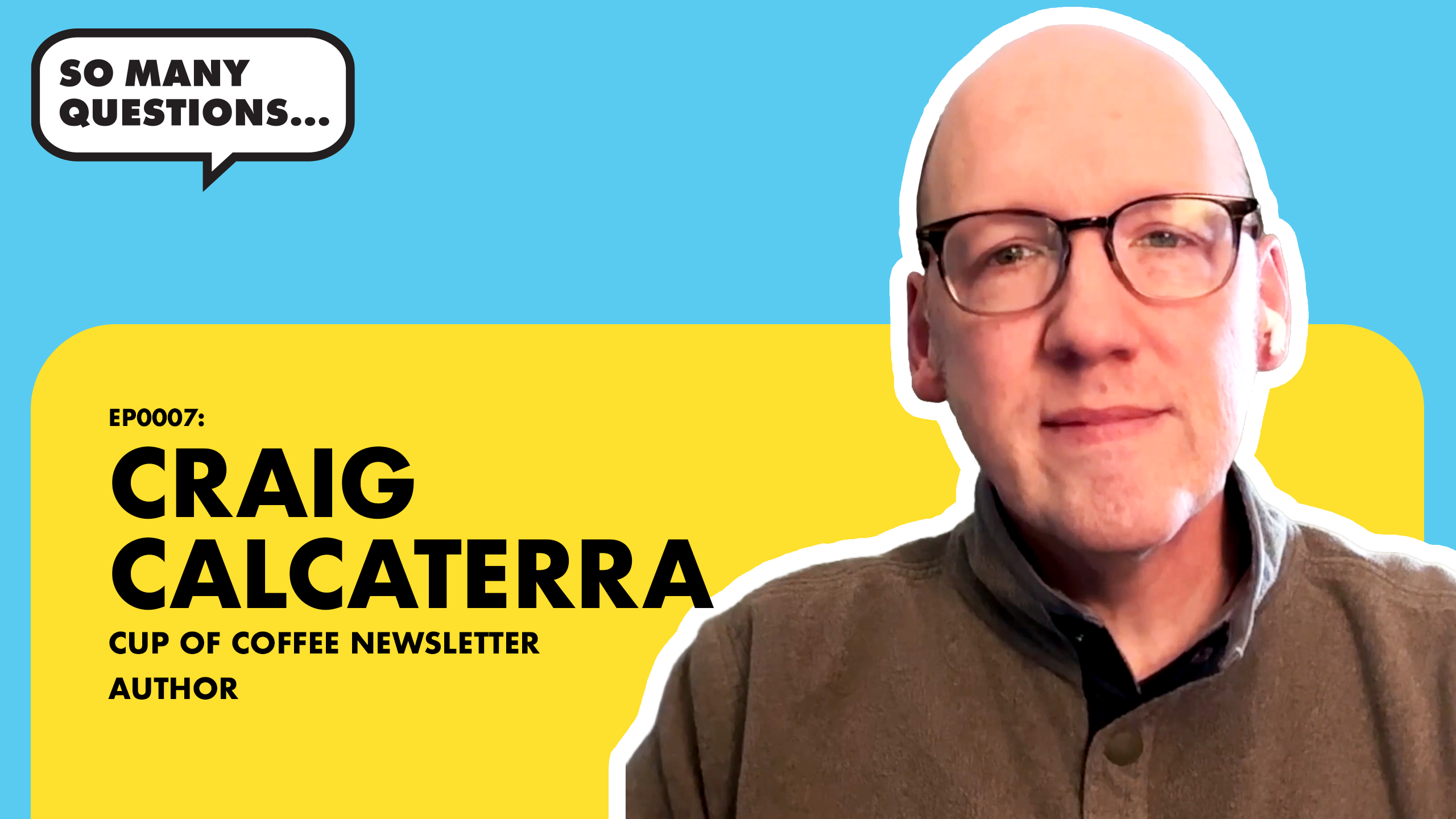
Episode 0007: Craig Calcaterra
Craig Calcaterra of Cup of Coffee on leaving law for baseball writing, the sabermetrics revolution, and finding contentment in an uncertain world.
Ask any actor what to say before a performance, and they will tell you the same thing: never say “good luck.” Instead, you say “break a leg.” This peculiar phrase has become so ingrained in theater culture that saying the actual words “good luck” is considered bad luck itself. But where did this strange reversal come from, and why has it stuck around for so long?
The answer takes us through superstitious theater traditions, vaudeville curtain calls, and the peculiar logic of performers who spend their lives pretending to be someone else.
Why Theater Superstitions Matter
Theater has always been a profession built on uncertainty. No matter how many rehearsals you complete or how well you know your lines, live performance remains unpredictable. An audience might love you or hate you. You might forget a line. A prop might break. The lighting cue might come too early or too late.
This unpredictability created a culture where performers sought control through ritual and superstition. If you cannot control the outcome, you can at least control your behavior leading up to it. Theater superstitions serve as psychological anchors, small rituals that help performers manage anxiety and channel nervous energy into something productive.
The tradition of saying “break a leg” instead of “good luck” is one of these rituals. It functions as a shared code among performers, a way of acknowledging the risks inherent in live performance while simultaneously refusing to name them directly. By wishing for something seemingly negative, performers believe they can trick fate into delivering the opposite.
This reversal is not unique to theater. Many cultures have traditions of speaking in opposites to avoid tempting fate. But theater elevated this practice into something more than mere superstition. It became a professional greeting, a way of signaling membership in the theater community and demonstrating respect for the craft.
The Difference Between Theater and Other Performance Arts
What makes theater different from other performance arts is its immediate, unrepeatable nature. A musician can record an album and perfect it through multiple takes. A filmmaker can shoot a scene dozens of times and choose the best version. But theater happens once, in front of a live audience, and then it is gone.
This creates unique pressure. There are no second takes, no ability to edit out mistakes in post-production. Every performance is both a creation and a destruction, existing only in the moment it happens.
Because of this immediacy, theater has developed its own ecosystem of superstitions that other performance arts have not. Musicians and filmmakers have some shared beliefs about luck, but nothing as codified or universally recognized as “break a leg.”
The phrase serves as a verbal talisman specific to the unique risks of live performance. It acknowledges that things can go wrong while simultaneously expressing confidence that they will not. It is both protective and hopeful, grounded in the understanding that theater requires courage every single time you step on stage.
Signs and Patterns: How “Break a Leg” Became Standard
Several origin theories attempt to explain where “break a leg” came from, and like most folk sayings, the truth is probably a combination of multiple sources rather than a single definitive moment.
The Curtain Call Theory
One of the most widely cited explanations connects “break a leg” to the physical structure of traditional theaters. In older theater designs, the main curtain hung from a framework called the “leg line.” When performers took a curtain call after a successful show, they would cross this line and “break” through the leg to bow for the audience.
In this interpretation, wishing someone to “break a leg” meant hoping they would perform so well that they earned a curtain call, breaking the leg line to receive applause. The phrase became shorthand for “may you be so good that you get called back for bows.”
The Vaudeville Payment Theory
Another theory traces the phrase to American vaudeville in the early 1900s. Vaudeville performers were typically paid only if they actually performed. If you made it onto the stage, breaking the plane of the leg curtain, you would get paid. If the show was cut short or your act was dropped, you received nothing.
In vaudeville houses, the leg curtains were positioned at the sides of the stage. Breaking the leg meant making it past those curtains and onto the stage proper, which meant you would earn your fee for the night. Wishing someone to “break a leg” was wishing them the practical good fortune of getting paid.
The German Theater Connection
A third theory suggests German origins. The German phrase “Hals- und Beinbruch,” which translates to “break your neck and leg,” was used in German theater as a good luck wish. German-speaking performers might have brought this phrase to American and British stages, where it was shortened to just “break a leg.”
Interestingly, “Hals- und Beinbruch” itself might come from the Yiddish “hatslokhe un brokhe,” meaning “success and blessing.” The phonetic similarity could have led to a folk reinterpretation that literally referenced breaking bones.
The Superstition Against Direct Wishes
The simplest explanation is that “break a leg” is an example of reverse psychology applied to fate. In theater culture, directly wishing for success is believed to jinx the performance. By wishing for something bad, you trick malevolent forces into delivering the opposite.
This aligns with broader theatrical superstitions. Actors avoid whistling in theaters, never say the name “Macbeth” inside a playhouse, and refuse to wear peacock feathers on stage. These beliefs share a common thread: the conviction that theater is a space where the normal rules do not apply, and where careless words can have real consequences.
All of these theories have some historical support, and none can be definitively proven as the single source. What matters more than the origin is the function: “break a leg” works because it acknowledges risk while expressing hope, and it does so in language that belongs specifically to theater people.
What to Do When Someone Says “Break a Leg”
If someone wishes you to “break a leg” before a performance, the appropriate response is usually a simple “thank you” or “you too” if they are also performing. The phrase does not require a special counter-response the way some superstitions do.
However, context matters. If you are not a performer and someone is about to go on stage, saying “break a leg” is both appropriate and respectful. It shows you understand theater culture and are offering support in the language of that community.
Conversely, if you say “good luck” to an actor before a show, do not be surprised if they wince or gently correct you. While some performers are less superstitious than others, many take these traditions seriously. It is not about logic, it is about ritual and shared culture.
For performers themselves, “break a leg” has become muscle memory. You say it backstage before curtain, you whisper it to your scene partners as you enter from the wings, and you text it to friends on opening night. It is less about belief in magic and more about participating in a tradition that connects you to every actor who came before.
Example: A Real Theater Opening Night
Imagine it is opening night of a community theater production. The cast has been rehearsing for eight weeks, and tonight is the first time they will perform in front of a paying audience. Backstage, twenty minutes before curtain, the energy is electric with nervous excitement.
The stage manager calls “places” over the intercom. Actors begin moving toward their starting positions. As they pass each other in the wings, they exchange the ritual phrase:
“Break a leg tonight.”
“You too. Break a leg.”
The lead actress, waiting in the wings for her entrance cue, feels her heart racing. This is the moment all the rehearsals have been building toward. Her scene partner, an actor she has worked with for years, catches her eye and mouths the words: “Break a leg.”
She nods, takes a breath, and hears her cue. She steps onto the stage, into the lights, in front of three hundred strangers. The first line comes out clearly. The audience laughs at the right moment. She is in it now, doing the thing she trained for, and the ritual worked. Not because it summoned luck or tricked fate, but because it reminded her that she belongs to a tradition larger than herself.
That is what “break a leg” really means. It means you are not alone. It means every performer who ever stepped on a stage felt exactly what you are feeling right now. It means the theater community sees you, supports you, and trusts you to carry the tradition forward.
FAQs
Takeaway
“Break a leg” is more than a quirky phrase. It is a linguistic artifact that reveals how theater professionals cope with uncertainty, build community, and honor tradition. The saying persists not because anyone truly believes it prevents bad luck, but because it serves as a reminder that live performance is inherently risky, and that risk is worth taking.
The next time you hear someone say “break a leg,” you will know you are witnessing a ritual that connects contemporary performers to centuries of theatrical history. You will understand that the phrase carries layers of meaning, from practical vaudeville economics to superstitious reverse psychology to simple solidarity among people who make a living by pretending.
And if you ever find yourself backstage before a show, nervous and excited and terrified all at once, you will know exactly what to say to your fellow performers. Not “good luck,” never that. Instead, you will offer the phrase that acknowledges the risk, respects the tradition, and expresses genuine hope for success: break a leg.
Kendall Guillemette | Feb 21, 2026